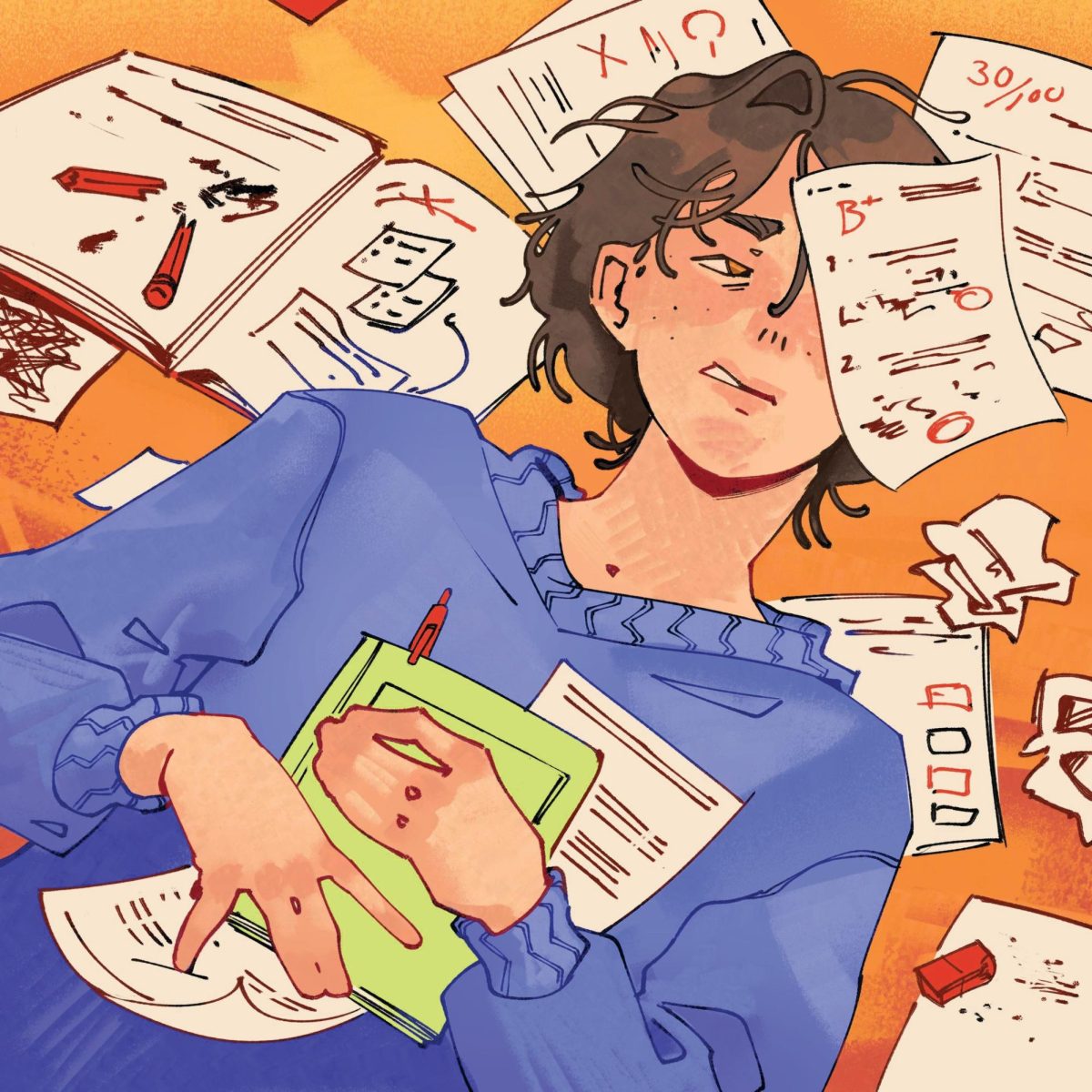
I was pretty naive when I graduated high school. As a pre-med student, I thought I knew exactly what I had to do. Get good grades, join organizations, get clinical experience and move through everything ASAP. I treated college like a checklist, constantly looking ahead to the next requirement rather than focusing on the present.
However, when I started taking rigorous classes such as the dreaded General Chemistry II and Biochemistry while currently also preparing for the MCAT, I realized how mentally draining this environment can become. It has basically been a 24/7 lock-in. You never get breaks or you delay your relaxation time in order to prepare for the next thing. The pressure to perform well and stay competitive can make it difficult to find time to rest and recover.
I honestly did not understand how serious burnout could become until I started working at a psychiatric and behavioral hospital with both kids and adults. Through conversations with patients, I met teenagers who described feeling completely overwhelmed by academic pressures. Some talked about reaching a point where they could no longer manage the stress and emotions they were experiencing. Hearing those stories made me realize how easily burnout can push someone toward a breaking point.
There should never be a stipulation for taking care of yourself.
Seeing those accounts firsthand changed my perspective. Many students tell themselves they will deal with their health later, after finals or when life becomes less busy. But there should never be a stipulation for taking care of yourself. Burnout does not happen overnight; it often develops gradually when we ignore our mental and physical needs for too long.
According to the American Psychological Association, chronic stress becomes more difficult to manage when the body never has an opportunity to recover. One of the most effective ways to prevent burnout is by protecting your sleep schedule.
People often treat lack of sleep like a competition.
“I got two hours of sleep.” “Oh yeah? Well, I pulled an all-nighter.”
When deadlines start piling up, sleep is usually the first thing many of us sacrifice. I used to think staying up late was helping me stay ahead in my classes, but it was actually setting me back.
One way to build better sleep habits is by setting a consistent bedtime alarm or blocking off time in your calendar to get the recommended seven to nine hours of sleep. According to the American Academy of Sleep Medicine, it can also be helpful to avoid blue-light devices right before bed, as they can interfere with your sleep cycle and make it harder to fall asleep.
Another strategy is scheduling breaks with the same importance as your academic commitments. Many students wait until they are completely exhausted before taking time for themselves. Instead, try building short breaks into your day before reaching that point.
Going for a walk, spending time outside, listening to music or meeting a friend for coffee can help create a healthier balance between school and life. Something else that works for many students is the Pomodoro Technique, where you work for a set amount of time before taking a short break and repeating the cycle. This allows you to stay productive while still giving yourself time to recharge.
Burnout can also be minimized by setting realistic daily goals. One mistake I frequently make is creating a to-do list that is impossible to finish in a single day. When you constantly fall short of unrealistic expectations, it becomes disheartening.
Instead of focusing on everything you need to accomplish for the next week or month, focus on two or three smaller goals that you can realistically complete that day. Consistently meeting smaller goals is often more productive than creating an ambitious plan and repeatedly falling short.
Learning how to say “no” is another skill that many of us struggle with. I know that pre-med students are especially guilty of this. We are often encouraged to join organizations, volunteer, do research and gain clinical experience; the best way to attain this is to always say “yes.”
While these opportunities can be important, trying to do everything concurrently can quickly become overwhelming. The Mayo Clinic recommends setting boundaries and protecting your time before your schedule becomes unmanageable. Sometimes the healthiest decisions can be turning down an opportunity to focus on the ones that you already have.
We should also be aware of the warning signs of burnout before they become severe. In my experience, prolonged stress can lead to constant exhaustion, irritability, difficulty concentrating, loss of motivation and feeling detached from schoolwork. Rather than pushing through those feelings, you should adjust your workload or try to integrate the tips above. If you are struggling with your mental health, talk to your friends, family, or a trusted adult. Also, don’t be afraid to seek out professional help. Many people wait until they are in a crisis before reaching out for support, but counseling can be beneficial long before stress reaches that point. UTD students have access to no-cost mental health services through the Student Counseling Center. It isn’t uncommon to seek help.
Everything is going to be okay, just take it one thing at a time.
If you are feeling overwhelmed in the moment and need immediate help, please call or text the Suicide and Crisis Lifeline at 988 or reach the UTD crisis line at 972-883-2575.
Everything is going to be okay, just take it one thing at a time. Because at the end of the day, nobody can put you first except yourself.