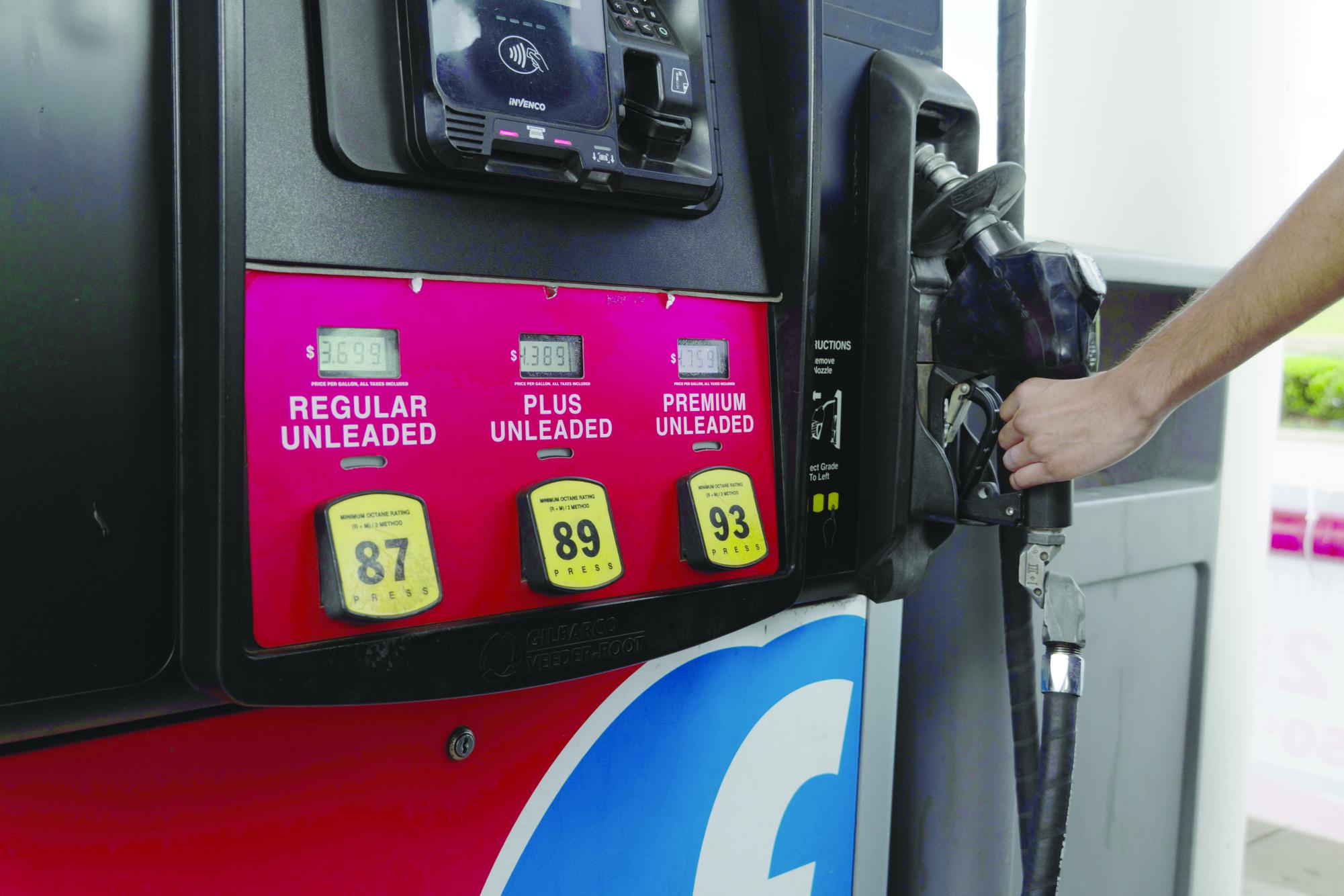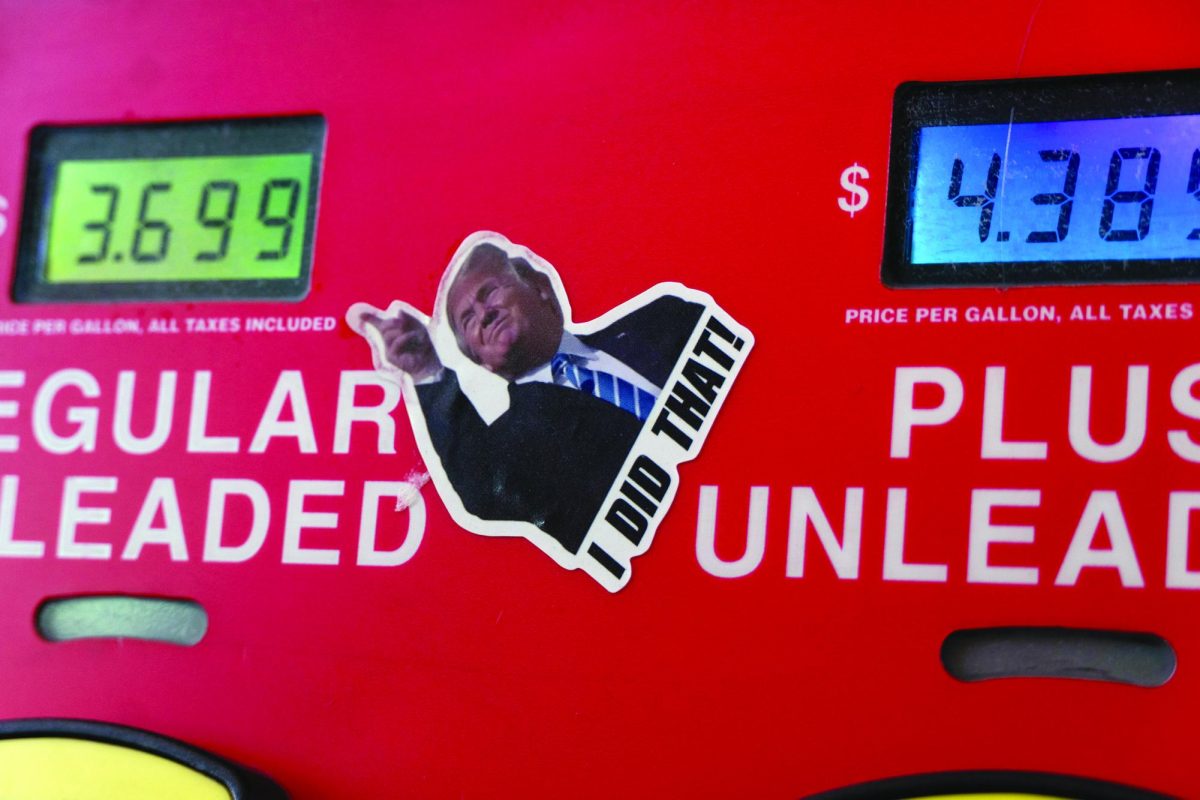
Gas prices across the United States have surged after rising tensions in the Strait of Hormuz- threatening one of the world’s most critical oil routes.
UTD — being widely recognized as a commuter school, with 78% of its student body commuting according to the US News and World Report — has been one of the hardest hit schools in the UT system. These students have actively expressed concerns over their ever increasing bills on gas.
“It just sucks. I think today I spent $70 and I don’t even have a big tank,” said political science senior Jacob Gorman.
In the geopolitical arena, high gas prices seem to only be an afterthought. After treading a high tension war with the United States, Iran had decided to close its Strait of Hormuz following the collaborative attacks by the United States and Israel on February 28th 2026, as reported by The Independent.
Such a step didn’t just close the strait, it also halted 20 percent of the world’s oil, liquefied natural gas, and fertilizer passage as reported by the BBC. This activity makes the strait a global chokepoint for worldwide energy, commerce, medicine, and even food.
However, what happens in the Strait of Hormuz doesn’t stay in the Persian Gulf. As vital shipments for global oil come to a halt, gas prices rise to all-time highs worldwide. For students at UT Dallas, this translates to higher daily transportation costs turning an international news headline into a personal financial burden.
The situation for commuters has become so dire, some have even worried about the long-term financial sustainability from going on 40 minute to 1 hour daily commutes.
“I could see why daily commuting would be a financially unsustainable option,” Gorman said. “If you’re already relying on student aid and you already have to commute that would be a huge pinch, because the cost of living is up everywhere.”
Other commuter students have noted they’ve had to revise their previous routines in regards to completing errands, just so they could save money. Even if it involves using less efficient means than previous.
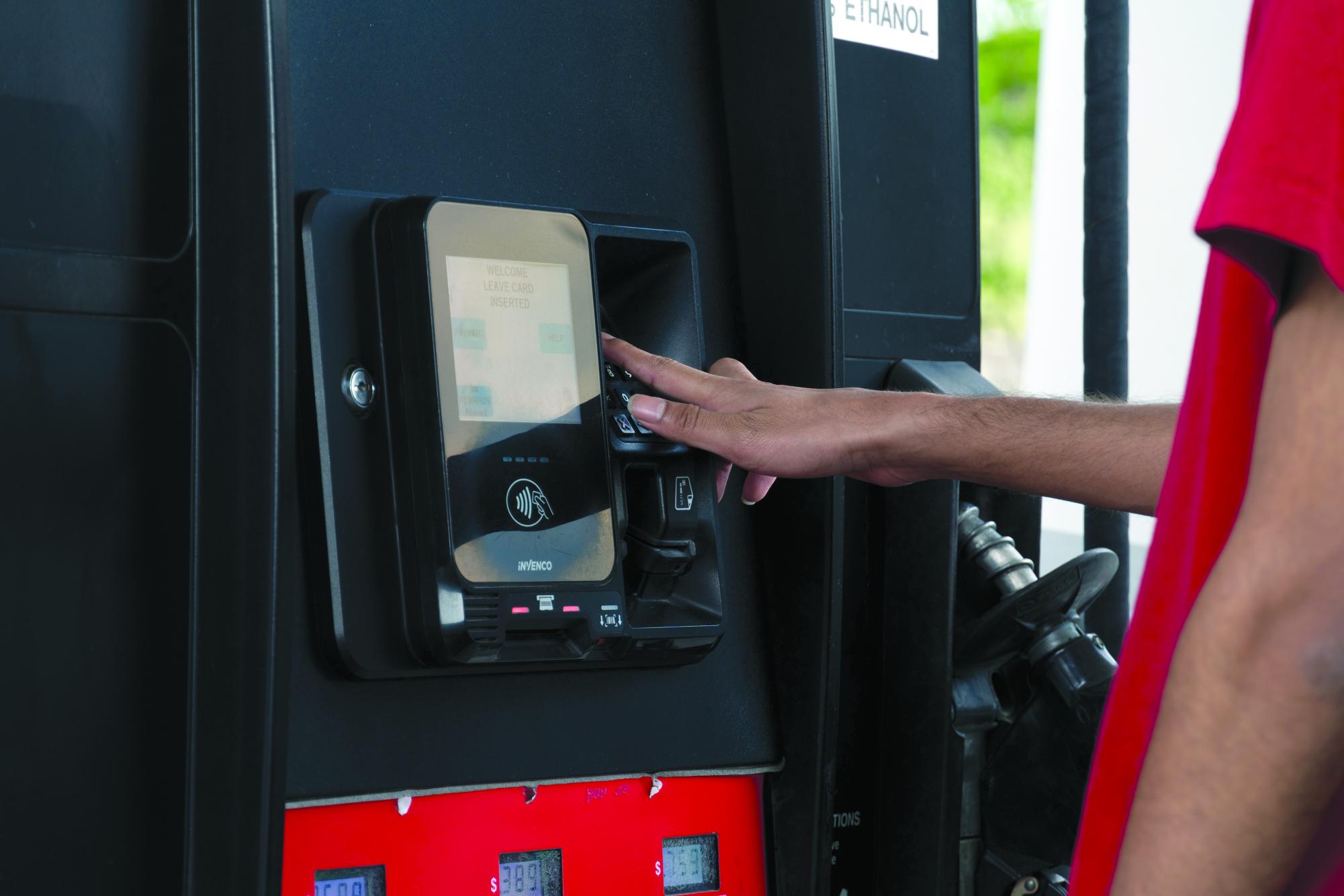
“Lets say I have different things to do a day, or my mom does, we just use one car and get all those things done, as opposed to all of us using our individual cars to get more things done,” political science senior Rubaba Rahman said.
Non-commuter students also note the significant impacts such economic crises can have in local areas.
“I have a best friend who is a commuter and I know that these rising gas prices are going to take a huge chunk of her income she’s making from her job” Alexis Benestante, junior accounting major said. “Personally, ever since gas prices have risen I’ve just stopped driving, but I would imagine as a commuter taking that 35-40 minute commute would be such a huge cost and such a detriment to our student population.”
Rising gas prices have even raised concerns over the potential of an international energy crisis. With the Strait of Hormuz closed, several countries have responded with drastic measures in order to protect their respective national energy supplies.
“We are definitely heading in the direction of an energy crisis … where everyone is making their own solar panels because it’s too expensive to get from a grid,” Gorman said. “I think that alone is enough to label as an energy crisis.”
Although the closing of the strait created a global supply chain shock, Asian markets seem to have it the worst. As roughly 80% of the oil transiting through the Strait of Hormuz is destined for Asian markets, as reported by the International Energy Agency.
Countries like Pakistan have cut federal fuel allowances by up to 50% for two months and have shortened government work weeks to just four days at 50% capacity Others like India have emergency measures invoked to divert gas supplies from non-priority sectors to key users. According to Reuters, Bangladesh has instituted a ban on decorative lighting at events to save power.
As of April 17, the United States has entered a ceasefire agreement with Iran and is undergoing progressive peace talks in Islamabad. Iran officially has declared the reopening of the Strait of Hormuz with the Iranian Foreign Minister Abbas Araghchi declaring the route completely open for commercial vessels, as reported by NBC.
However, it seems UTD students aren’t immediately alleviated from the financial pressure of the war just yet. The International Rescue Committee reports that although the Strait of Hormuz has been reopened for commercial vessels, it will take time to remedy the disruption from the closure.
Even after oil prices fall, the effect for gas prices is not immediate, as there is a mult-week lag for gasoline to truly reflect changes in crude oil prices, as reported by Yahoo Finance.
Despite the news on the ceasefire, UTD students can still expect a painful gas bill.