

The United States and Israel launched coordinated strikes against Iran on Feb. 28, known respectively as “Operation Epic Fury” and “Operation Roaring Lion.” The strikes followed weeks of military buildup and stalled diplomatic efforts over Iran’s nuclear program. President Donald Trump said the strikes were necessary to eliminate an “imminent threat” and prevent Iran from rebuilding its nuclear capabilities. The International Atomic Energy Agency has previously raised concerns about highly enriched uranium in the country.
Tension in the Persian Gulf began well before February 2026 as Iran faced economic pressure from the United States, according to the Al Jazeera. Experts say these sanctions significantly impacted the lives of Iranian civilians.
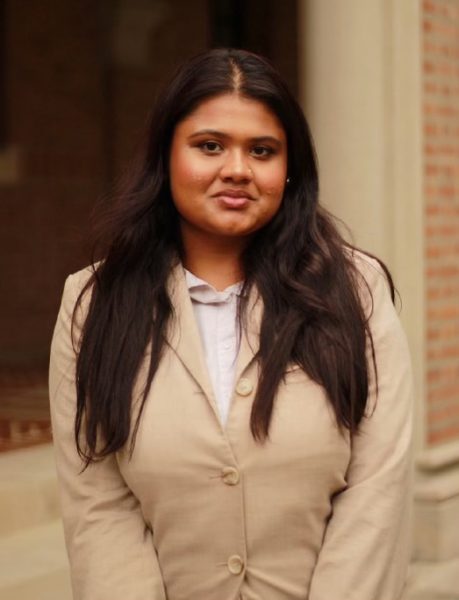
“And even before any of this was happening, Iran was under sanctions implemented by the U.S.,” said Sarah Asadollahi, a neuroscience sophomore. “As we know, my own family in Iran can’t get access to medications like insulin or inhalers for diabetes or asthma.”
Throughout late 2025 and early 2026, these strains contributed to soaring inflation, the severe devaluation of the Iranian rial and widespread economic mismanagement — conditions that fueled protests across the country, reported the New York Times.
These protests have been described as the largest uprising in Iran since the 1979 Iranian Revolution, with unrest reported in over 400 cities engaged in anti-regime protests reported by the Associated Press . Protesters moved from economic demands to unilateral calls for an end to the Islamic Republic of Iran entirely. A June 2024 poll from the Group for Analyzing and Measuring Attitudes in Iran reported that in a survey of 77,000 people, 70% of Iranians stated they oppose a continuation of the Islamic Republic, with 89% expressing support for a democratic system of government.
Many Iranians and members of the Iranian diaspora attribute the regime’s unpopularity to accounts of repression and violence.
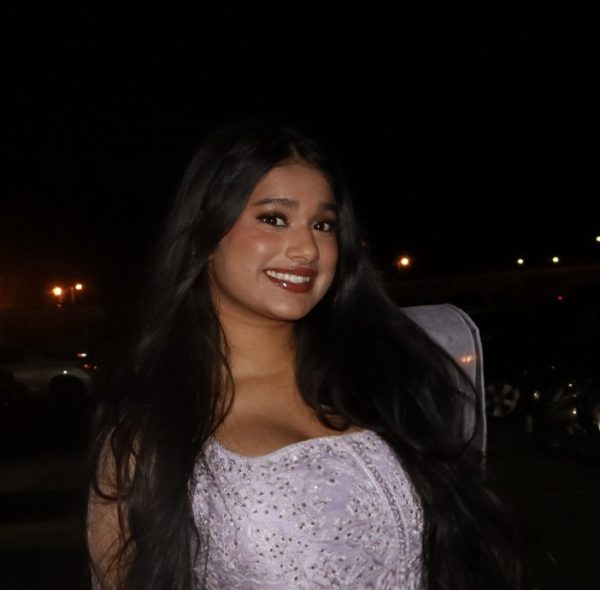
“If people haven’t lived under the regime, they don’t understand the brutality, and why it needs to be completely removed,” Arousha Ghaznavi, a business administration junior, said. “Almost every person has lost someone to this regime, every single person knows at least two people that were shot and killed. I don’t think that’s something the people can forget or forgive.”
Ghaznavi added, “Every Sunday, my parents go out to protest and voice against the ridding of an oppressive regime that kills more and more people every year, to let people know we want this and this is what we asked for.”
These protests were later met with a brutal crackdown by the Iranian Revolutionary Guard Corps, with reported casualties ranging from 7,000 to more than 30,000 protesters, reported by Times. The crackdown also included a widespread internet blackout in Iran, making communication difficult for families abroad.
“So it is very hard to contact them. They don’t have the internet and if they do, maybe for one minute in a day we’re able to hear something back from them, and then we go days sometimes where we don’t even hear a single thing. So it’s been really hard and it’s put a really big toll on my parents especially in the house,” Asadollahi said.
After diplomacy failed, the United States and Israel launched the joint operations “Epic Fury” and “Roaring Lion,” during which the U.S. carried out nearly 900 strikes in 12 hours across Iran according to Chief National Security Correspondent of Fox News, Jennifer Griffin .
Iranian state media later reported that Supreme Leader Ali Khamenei was killed in the strikes. Iran retaliated by launching hundreds of missiles and drones at U.S. bases across the Middle East, including Al Udeid in Qatar as well as Israeli targets.
During the conflict, a strike hit the Shajareh Tayyebeh Girls Primary School in Minab, southern Iran, killing between 168 and 180 civilians, a majority of whom were girls aged from 7 to 12, according to The Guardian. This event is reported to be the deadliest civilian incident from the ongoing conflict, sparking widespread debate online about foreign intervention in Iran.
U.S. involvement in Iran remains a divisive topic, even within the Iranian community, with some members of the diaspora expressing support.
“I think it’s a misconception that the Iranians are divided, obviously there are some people that won’t agree, but I think the majority of Iranians are pretty happy,” Ghaznavi said. “Happy, I won’t say in a super happy way, but I think it’s the lesser of two evils by far.”
“My personal belief is that it can’t be worse, it truly cannot be worse. The amount of people they (the regime) killed in two or three days is absurd. When two countries are at war, and when one hits the other’s hospitals or schools, it’s called a war crime, but we literally do not have a word for when you are hitting your own people. A massacre like this has only happened a few times in history, so I really don’t know if it can be any worse,” Ghaznavi said.
However, some students expressed more nuanced perspectives, with Iranian diaspora students like Asadollahi expressing concerns over civilian casualties.
“It was heartbreaking to wake up to see school girls being killed, and then Khamenei passing later that day shifted the Iranian community into a state of excitement for this moment we’ve been waiting for. But I couldn’t help but feel heartbroken for those little girls and their families.” Asadollahi said.
She said it felt as though innocent lives were lost in the process of change.
“And so that was honestly all I could think throughout that day — the pain that has to come at the cost of having some change of any sort happening.”
“I think that we all have many differences in opinions. And a lot of those opinions are based on traumatic experiences that our family members may have faced from the seventies and the revolution,” Asadollahi said.
Non-Iranian students have also expressed concerns regarding foreign intervention.
Shriya Chapagai, a criminology sophomore, questioned how the decision to go to war was communicated to the public.
“I think once we start war anywhere there’s obviously shock that comes, but as I started getting more educated on the geopolitics, there came more anger and frustration, any reason the administrative body gave was more so in line with what ‘they’ wanted versus what the U.S. as a country wants,” Chapagai said.
She said the lack of clear justification has contributed to frustration among students.
“I think people have started to see shifts in direction. The president ran his campaign on being anti-war and not starting any wars,” Chapagai said. “The fact that they didn’t really manufacture consent or explain why they went into the war leaves the public very frustrated and confused and will likely reflect in midterm polling.”
At UTD, students have held discussions and protests aimed at generating dialogue around the conflict.
“There was a table outside at the Plinth and on a whiteboard said ‘Should the U.S. continue involvement in Iran?’. I went in and said yes and heard an audible gasp from the person at the table” Ghaznavi said.
She said moments like that reflect how Iranian voices are often misrepresented or overlooked in discussions.
“I just don’t think we have the numbers in our representation,” she said. “I remember the lady standing next to me telling me in Farsi saying thank you for telling them everything I wanted to say but didn’t have the language to do so.”
Iranian diaspora students recommend speaking directly with Iranians to better understand their experiences.
“I can definitely say that the best way that people could try to look into what’s going on is by talking to Iranians on campus and getting involved within the student organization,” Asadollahi said. “And just talking to them kind of sees what your family is going through. You know, what does this mean for you and your family in Iran?”
As the conflict continues, she said it is important to look beyond the headlines and understand Iranian culture and the people affected.
“Iranians are some of the most kind and hospitable people with the richest culture in the world,” Asadollahi said. “I think it’s very misunderstood … and I think that people should learn more about it,” she said.
Fariba • Mar 27, 2026 at 8:59 pm
It was so true and beautiful interview!!!❤️
Andrew Henriquez Giron • Mar 26, 2026 at 10:56 pm
Thank you for sharing the voices of the Iranian people. Nothing is more worrying than when a buddy online goes dark because the regime has closed the internet access, and you can’t tell how they’re doing.