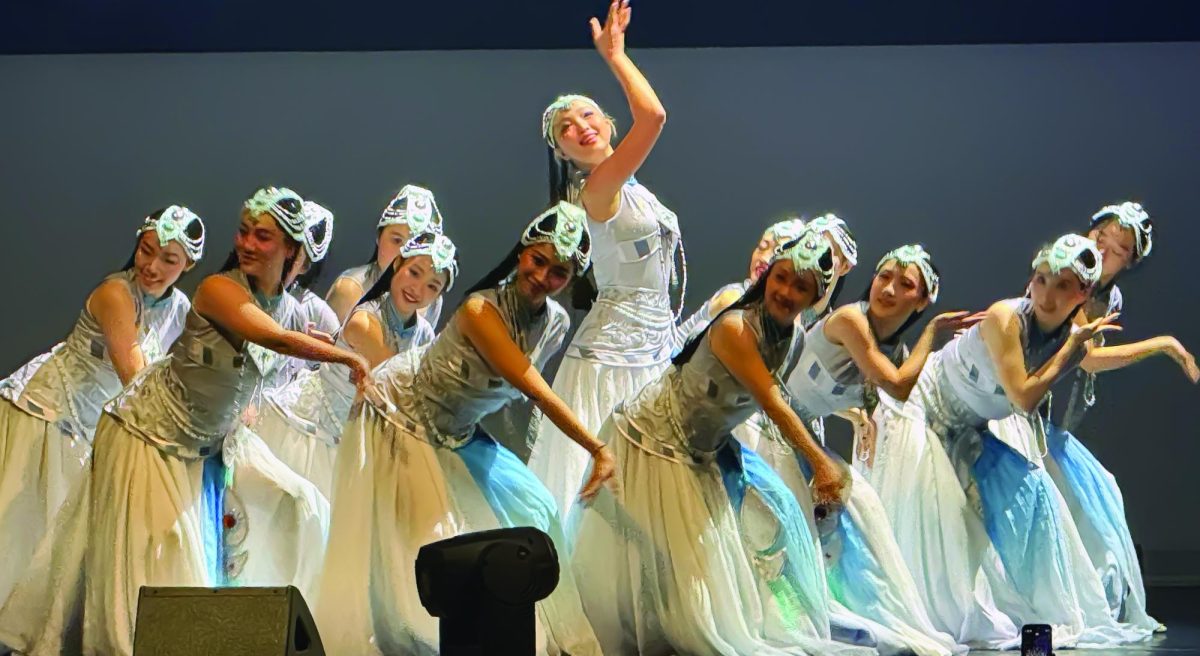
Decorated in red and gold, the Edith O’Donnell Arts and Technology Building hosted their annual Lunar New Year festival on Feb. 13, 2026. Organized by the Texas Cultural Exchange Center, the Center for Asian Studies at UTD and the Dallas Huayun Orchestra, the celebration featured performances from various groups celebrating the year of the horse.
Specifically, this year marks the arrival of the fire horse after 60 years, a period meant to be characterized by rapid change, big decisions, confidence, and creativity.
Various volunteers, community members, performers, friends and families came together to contribute to this event including a variety of organizations, businesses and dance schools like the DASH running group and the Youth Entrepreneurship Society, or YES.
As guests arrived, they were first greeted by a volunteer, Kai Yu, a UTD international computer science student, dressed as Caishen, the Chinese god of wealth, who was taking pictures and inviting guests inside.
“The character I’m playing is welcomed by all the Chinese people in the new year,” said Yu. “When we’re greeting each other we all say ‘Gong Xi Fa Cai’ which means ‘Hope you become rich in the future.’”
Volunteers helped navigate people to the auditorium while also wishing them well for the new year. One volunteer shared why this celebration is important to her.
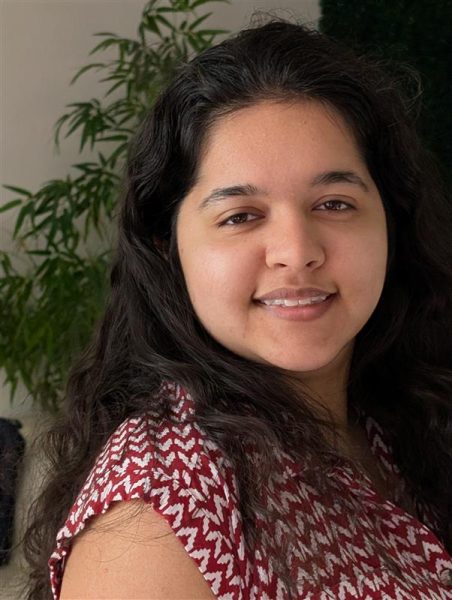
“For me, Lunar New Year means a time where family can come together and enjoy time because a lot of times families are separated from each other, and it’s a great time where we can come together,” YES volunteer Ariel Jacob said.

As the lights dimmed, the audience, which filled every seat in the auditorium, prepared for 13 performances including traditional dances and songs interspersed with jokes from the emcees. The first performance of the night was a fashion show featuring traditional clothing from all parts of Asia ranging from Japanese kimonos to Indian saris to Korean Hanbok.
“It’s important to show different cultures and different traditions from different parts of Asia,” Wenjie Yu, the fashion show participant showcasing the Hanbok, said. “I’m so happy [wearing the Hanbok], and everyone watching was very happy. I took a lot of pictures and everything.”
The night also offered showcases of traditional instruments, such as the Erhu, Pipa and Guzheng, and varying styles of dance from different cultures and time periods including K-pop, ballet, folk dances and Sattriya, an Indian classical dance from Assam that features performances depicting Hindu mythology.
“[Sattriya] is a rare dance, not a lot of people know about it and I just wanted to promote that,” performer Nirvi Nerur said. “I love performing sattriya and I wanted people to know what [it’s like].”
The auditorium seats themselves were packed with people from UTD as well as many community members from around the area. For some, this event was a way to meet old friends and celebrate together.
“I have a friend here to perform, so I cheer her on,” Annie Wang said. “I haven’t seen [these] friends in many years and here I can see them.”
Overall, the event proved to be a place where people could learn new cultures, see amazing performances, and celebrate the new year with their family and friends.