Several athletes have said that they have encountered misconceptions about the skill level of Division II sports. They described training demands, competition and the time commitments at that level.
UTD began its official transition from D-III to D-II in 2023, joining the Lone Star Conference and getting on track to gain full D-II status in fall 2026. The spring 2026 semester represents the crucial middle stage, where the Comets face tougher competition against regional rivals and lay the necessary groundwork for future successes and long-term growth.
Unlike Division I with large national broadcast contracts, and Division III, which does not offer athletic scholarships, Division II emphasizes competitive regional play on a level-playing field and partial scholarships.
UTD’s transition to Division II has been described by university officials as a step towards athletic excellence that reflects both the school’s growth and ambition.
Student-athletes say that even while visibility increases, misconceptions about D-II competition remain persistent. Some critics say that smaller crowds and less media coverage mean the competition must pose less of a challenge. However, athletes from one of the youngest men’s basketball teams in the conference and the experienced seniors and graduate student in the women’s basketball team dispel the myth, proving a reality far from the “easy D-II” stereotype.
Athletes describe the competition in Division II as both physically grueling and mentally demanding, challenging the assumption that the gap between divisions is wide. UTD track and soccer player Grace Pritchard said the speed and skill level of her college competition greatly surpassed her expectations. “A lot of people underestimate the level because just because it’s D-II, they don’t expect much from it, but it’s a lot more intense, a lot faster of play,” Pritchard said.
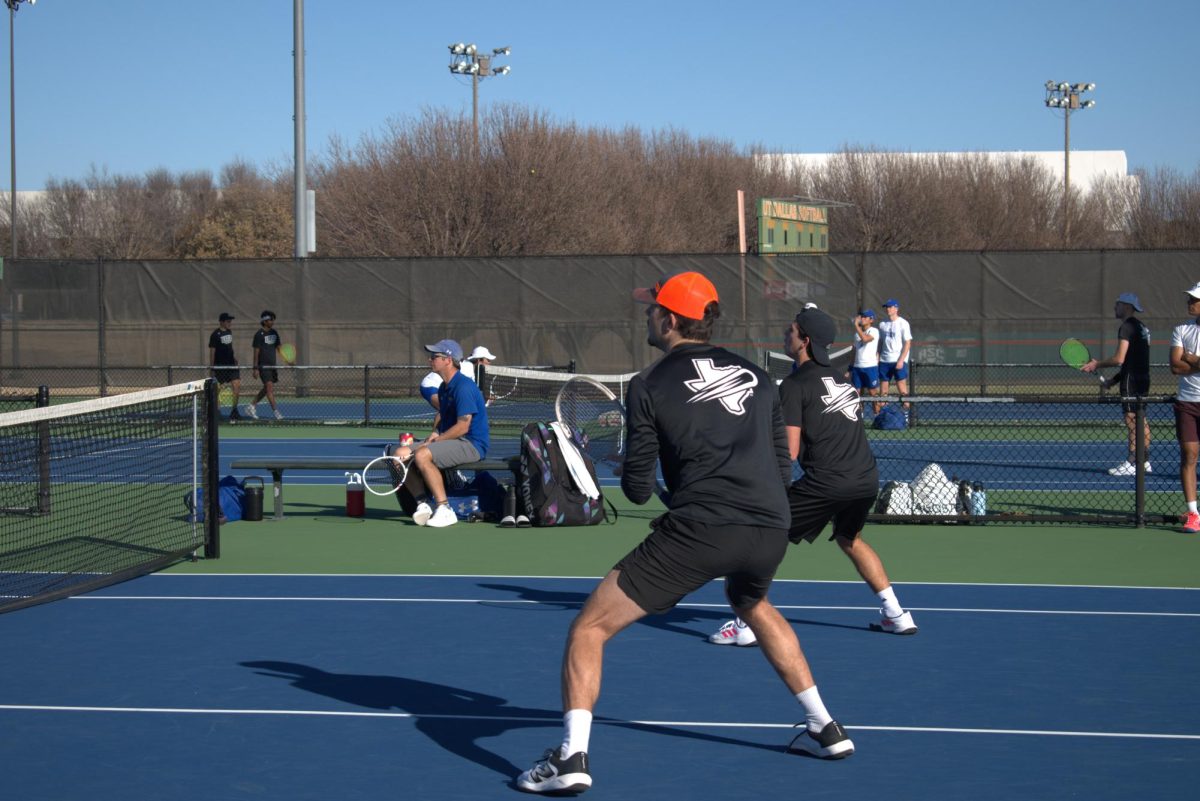
Benjamin Dubois echoed the same sentiment through a tennis perspective. He said that Division II included athletes competing at professional levels, reflecting the division’s growing appeal and talent. Dubois added that many competitors brought international experience and elite training backgrounds that pushed the play to the next level. “I’ve played tennis players in Division II who have ATP rankings, who are actual professional players,” he said.
Pritchard said another common misconception is that Division II represents a lower and less desirable tier of athletic ability and opportunities. In reality, the talent across NCAA divisions often overlaps, with athletes choosing programs based on their academic priorities or financial considerations rather than prestige alone. “Some people on my current UTD team could go play D-I,” Pritchard said.
Structural changes in college athletics also greatly contributed to the growing numbers of Division II, according to Dubois. “With scholarships and recruiting changes, a lot of players who are cut from bigger Division I programs are transferring to Division II,” he said.
Junior volleyball team captain Sydney Sabin said that stereotypes fueled by social media and sports culture often portray athletes in a negative light, suggesting they receive academic “free passes.”
“At UTD, there’s no free passes… you’re still expected to show up to class. The student part comes first,” said Sabin.
Pritchard said that a lack of institutional support is another common misconception that some believe. “We have our own academic advisor, study halls, training staff… they’re always there for us.” Following the transition, administrative growth has increased as well, with Sabin noting, “We doubled our staff in the move to Division II.”
UTD athletes describe having to find a balance between their academics and daily schedules that even rival higher levels of sport. Sabin outlined her volleyball practice days as “Practice from 7 to 10 a.m. and then weights from 10 to 11,” during in-season competition. Pritchard described days filled with training saying, “8:00 AM weights for an hour and then I have training at the track again at 3:00 PM to about 5:30… so it’s a lot of early mornings.”
Pritchard said that another misconception that is less talked about is Division I being the only “successful” path for athletes. That perspective completely overlooks the realities and priorities many student-athletes face in their college careers, according to Pritchard. “If you go to a D-I university, your main focus there is going to be playing sports,” said Pritchard, “At the D-II level, there’s more focus on academics because a lot of people are coming to the university as student-athletes for the academics.”
Student-athletes note the quiet athletic culture on campus, with UTD being heavily focused on research. “There’s not a huge athletic atmosphere… it’s definitely more academic,” Pritchard said, mentioning how players have to often create their own energy and visibility on campus.
“UT Dallas is known to be academically challenging, but now we get more opportunities because we’re in Division II.” said Dubois, “Being present for this transition–building something with your teammates–its very rewarding.” For student athletes, being in Division II doesn’t just mean more game time or fancier equipment, it means being a meaningful part of a historical change at UTD.
As UTD wraps up the transition to Division II this semester, athletes are steadily moving from the background and stepping into the spotlight, playing a more visible role on campus.