In the quest to complete all the courses in a degree plan, many students weigh their options to consider whether part of their summer should be spent studying at UTD.
One of the major reported benefits of taking classes over the summer is that it can help mitigate some of the core course requirements needed for a degree plan. Students can complete many entry-level courses over the summer, allowing them to focus on more advanced ones in the fall and spring. Some also take classes to alleviate some of the intense workloads of certain majors.
“I’ve notoriously heard about genetics being one of the more difficult classes that a lot of upper-level students have to take. I wanted to see if there was any way I could alleviate some of that pressure during the [fall and spring] semesters. I heard that Dr. Srikanth was a great professor in teaching genetics, but she only taught genetics in the summer at that time,” biochemistry senior Induja Asthigiri said.
Asthigiri said taking the class helped in planning out the remainder of her degree and negated a heavy workload the rest of her junior year.
Students also note a shift in culture around the summer.
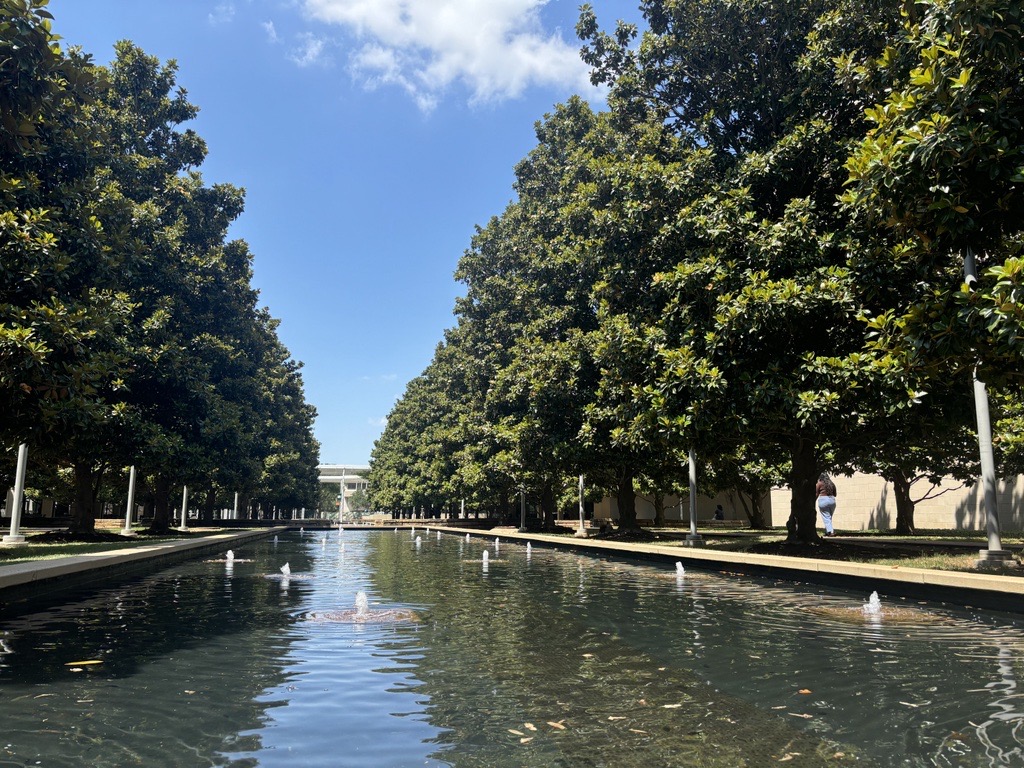
According to computer science senior Samuel Ma, the atmosphere around campus is quiet but also full of more connections between people. He said students tend to be more engaged because of the smaller class sizes.
“College is a great place for networking and it goes doubly so for summer classes because you get a lot more time to work with these people. I met a few kids that have turned into colleagues. They’re good to have around,” Ma said.
From a teaching and pacing perspective, these classes can be fast and content dense. UTD offers five-, eight- and 11-week sessions, most having to quickly pack an entire semester’s worth of content into a shorter amount of time. According to computer science professor Ranran Feng, this leads to less room for schedule flexibility and a need to keep classrooms engaged.
“Every week there’s something, so it does feel a little bit rushed. If there’s anything [that] happens and we have to reschedule, it will mess up everything else,” Feng said.
The two-hour sessions require breaks in between to retain student focus.
“One student sits for more than two hours in the same classroom staring at the same screen. You can clearly tell we have less and less engagement towards the end. That is part of the reason why we force some breaks in the middle so you [can] move a little bit and get refreshed,” Feng said.
This year, the university is also launching its new hybrid class format for the first time. The new style of class will combine in-person and online learning. This technique will merge Teams meetings with in-person class times so students are free to join the lecture from whatever medium suits them.
However, this style of teaching does introduce some unique challenges.
“You have to constantly watch out what’s going on in the classroom and then what’s going on in the team chat room and then we have to use a lot of additional tools like constantly switching between the cameras and the document camera,” Feng said.
Feng also gave insight into how she thinks these courses can best be tackled.
“The first advice I have is to [determine if] you are a morning person or a late night person and use that to [pick] which time you want to come to class and keep most alert,” she said.
She also recommends checking the tentative schedules that come out before the classes begin, marking important assignment deadlines into a calendar and planning ahead.
After taking these classes, both Asthigiri and Ma agree that they would consider taking these classes again if it benefited their future degree plans.
“If you need it then you need it. If you don’t need it then you don’t need it. It’s just a question of use case,” Ma said.