Four runs stood between the Comets and a second straight national title.
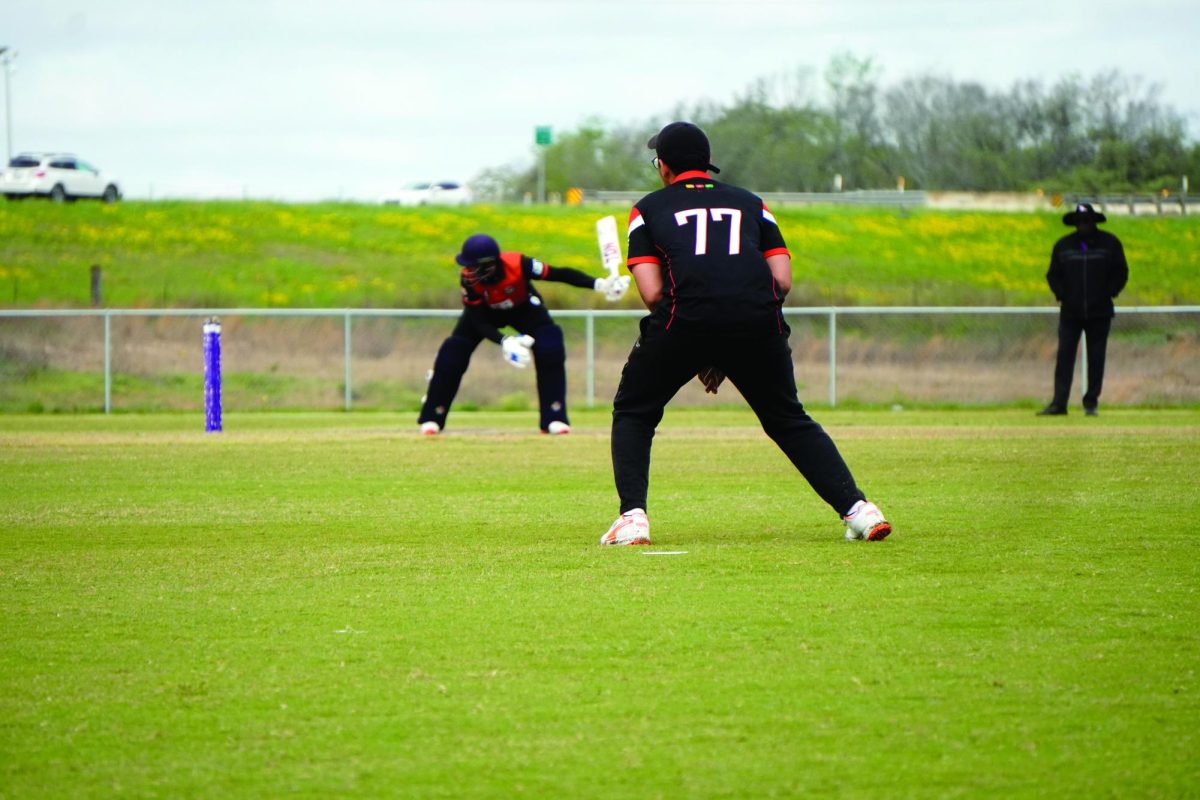
With just one ball left in the National College Cricket Association championship, every player on the UTD cricket club watched as the game came down to a single moment: whether they could defend the final delivery of the match.
“We were ready to battle it until the last ball,” captain Syed Firasuddin said.
UTD held Northeastern University to just one run on the final stretch, finishing off the close victory by two runs and securing back-to-back national championships.
“Winning a championship in your debut year is an amazing feeling,” freshman Ansh Bhoje said. “Especially a game like that. We didn’t know if we were going to win or lose until the very end.”
Unlike earlier games in the tournament, which the team described as more “comfortable wins,” the championship game forced the Comets into uncharted territory.
Northeastern got ahead early, building momentum during the powerplay and putting UTD on the back foot. As the innings went on, the Comets gradually began to pull the game back through powerful bowling.
Midway through the second innings, a strategic run-out pulled the game back in UTD’s favor.
“That’s when we felt like we could win the game,” Bhoje said.
From that point on, the match turned into a final-over finish, with both teams trading control until the final ball. In the last few moments, staying composed was all that mattered.
“We had to stay calm,” Firasuddin said. “It was just about handling the nerves at the end.”
What makes the championship run even more significant is how different this year’s roster looked. With several members leaving after last season, the team entered the year with a mix of returning and new players. However, instead of having to start from scratch, the Comets were able to quickly re-establish the team culture and identity.
“It didn’t really feel like a new team. We connected really well, and you can see that in how we played,” Bhoje said.
Still, intentional effort was made to reach that level of connection. According to members of the club, leadership focused heavily on defining each player’s role and making sure they understood their place within the team.
“The most important part is making each player feel involved,” Firasuddin said.
The players said the chemistry comes from what happens away from the field.
“We’re all good friends outside of cricket,” Firasuddin said. “Those little moments together — that’s what really builds the team.”
That bond allowed players to trust each other, especially in high-pressure situations like the tournament.
“It’s that friendship and trust that helped us during those moments,” graduate student Sathvik Reddy Bellamkonda said.
Behind the scenes, the team prepared for its win with a demanding routine that balanced academics, work and late-night practices.
“We’d practice from 10 p.m. to midnight,” Bhoje said. “It sounds crazy, but that’s what it took.”
Those sessions became routine for the team. The players said they adjusted their schedules to make time for training, treating each practice the same as a game.
The players also said that despite their national success, the club continues to play outside of the spotlight.
“I feel like there could be more recognition,” Bhoje said.
Firasuddin said cricket, while globally one of the most popular sports, remains less visible on American college campuses. That trickles down to the Comet Cricket Club, too. Still, he sees it as part of the process rather than a source of demotivation.
“I feel like UTD is moving toward that sort of reputation in cricket that these guys are always going to come to win,” Firasuddin said.
Looking ahead, the team’s focus remains on bringing both the program and the sport itself forward. With senior leaders graduating, the program is heading into a new phase with an already-built foundation.
“We want people to come in and continue what we’ve built,” Firasuddin said.
Younger players, including several freshmen, joined just this season, displaying an increasing interest in the club. The expectations, however, have changed.
“We’re now becoming a team that people expect to win,” Firasuddin said.