
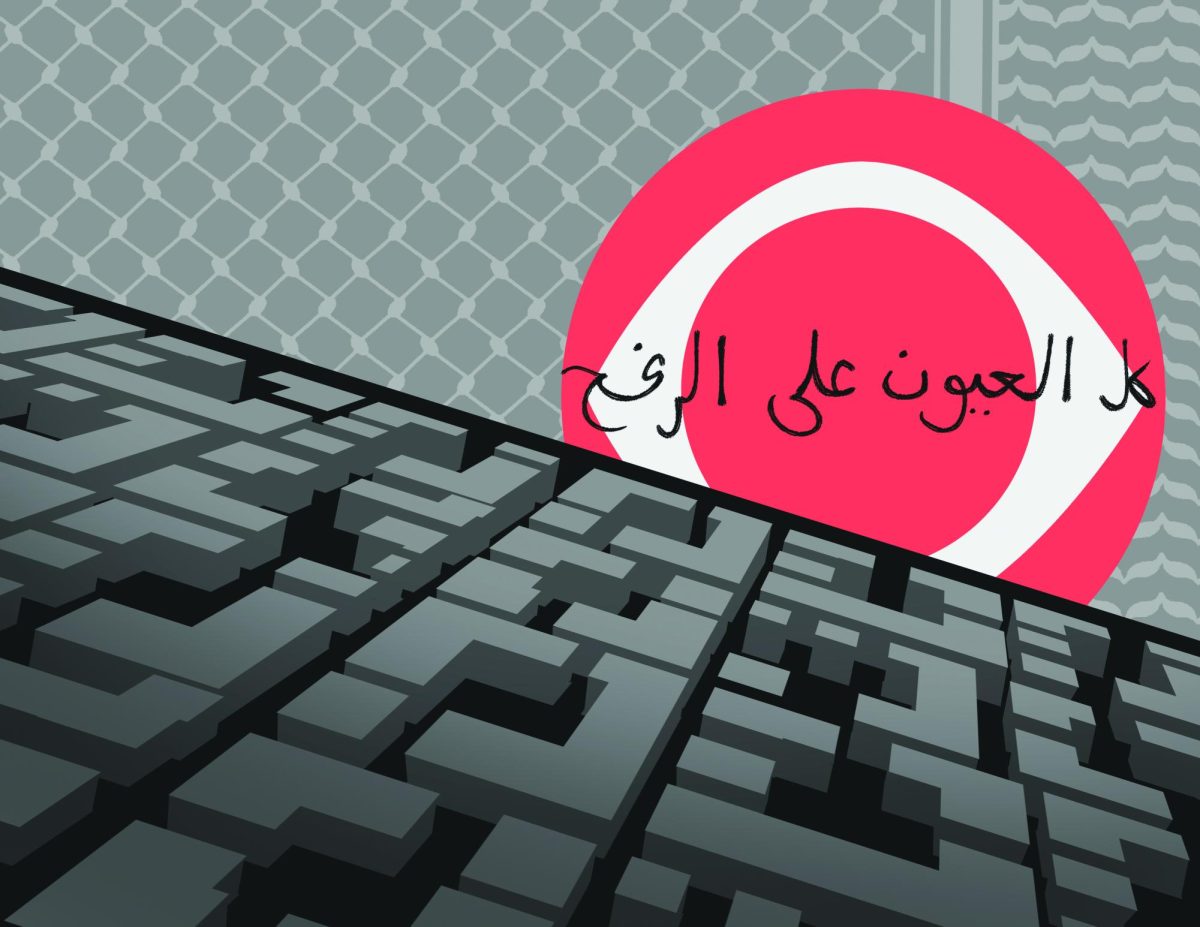
“All eyes on Rafah.”
Millions shared it. Celebrities reposted it. Students filled their Instagram stories with it. We treated it like a promise, but somewhere between the shares and scrolling, Palestine became something temporary.
The world was watching Rafah — a city in southern Gaza where more than 1.4 million displaced Palestinians had taken refuge after fleeing war across the rest of the territory. Casualties overwhelmed local hospitals as refugees flooded into their last bastion of hope.
The world said Rafah was a red line, a point that should never be crossed. Former President Joe Biden reiterated this message in March 2024. World leaders further warned that a full-scale invasion would be catastrophic as the city represented the last refuge for civilians fleeing the rest of Gaza.
Experts promised the red line would never be crossed.
For a time, the world seemed to recognize that. Citizens called on their governments to intervene. They shared posts and images, each repeating the same message:
“All eyes on Rafah.”
The mantra repeated for months, a constant reminder of the atrocities in Palestine, before slowly fading into the background. Rafah was reduced to an out-of-date trend. The world moved on, pushing the crisis to the mental back burner.
Then, the first missile crossed the proverbial line.
In May 2024, an Israeli airstrike hit a refugee camp in Rafah and killed dozens of displaced civilians. Survivors described fires tearing through tents while families slept. According to reporting from Reuters and The New York Times, many of those killed had already been displaced multiple times and had fled to Rafah because they believed it would be safer than the rest of Gaza.
At the time, world leaders expressed concern. The United States warned Israel not to launch a major operation in Rafah.
Experts later stated that those red lines had been repeatedly crossed.
And now, before our eyes, Rafah is gone.
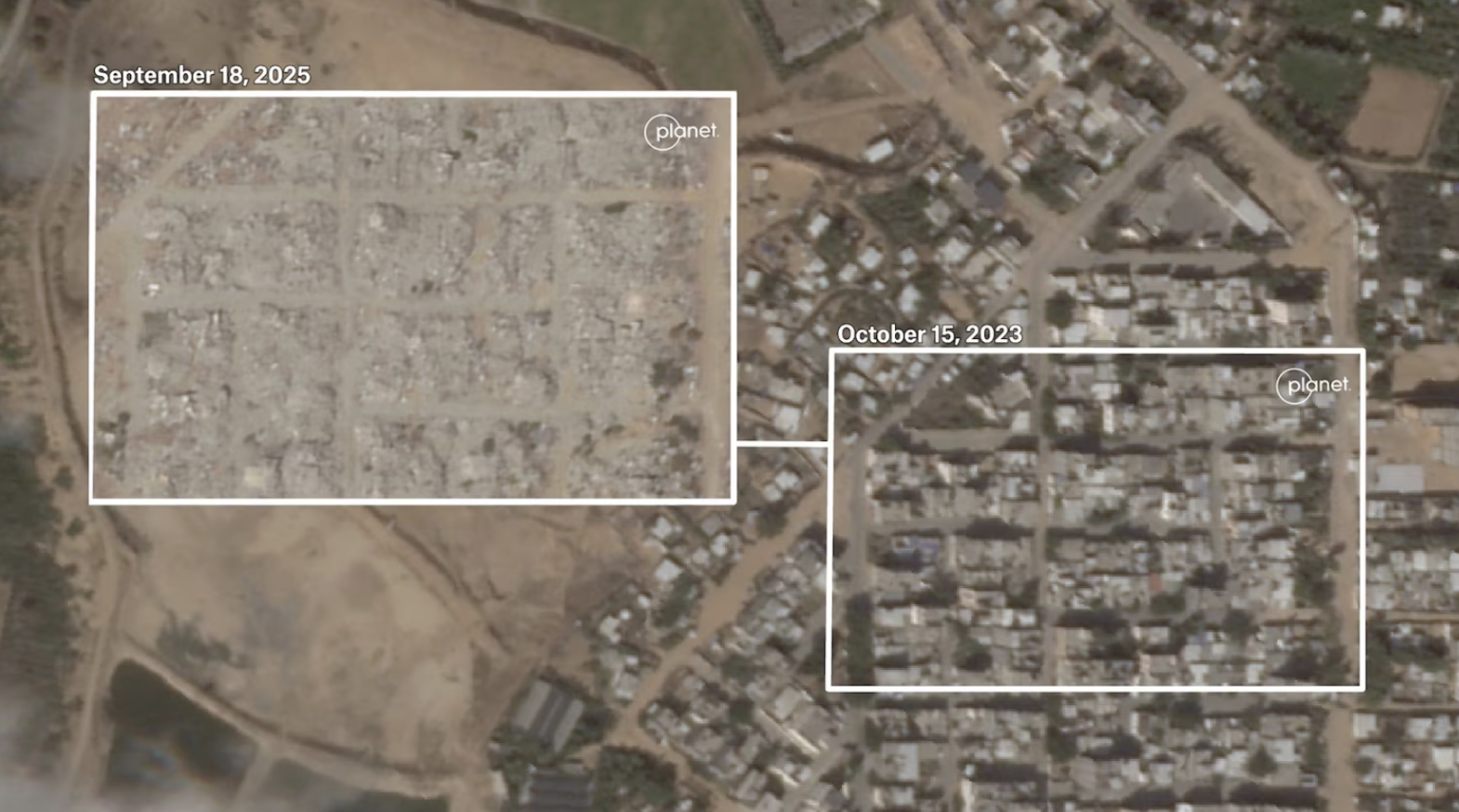
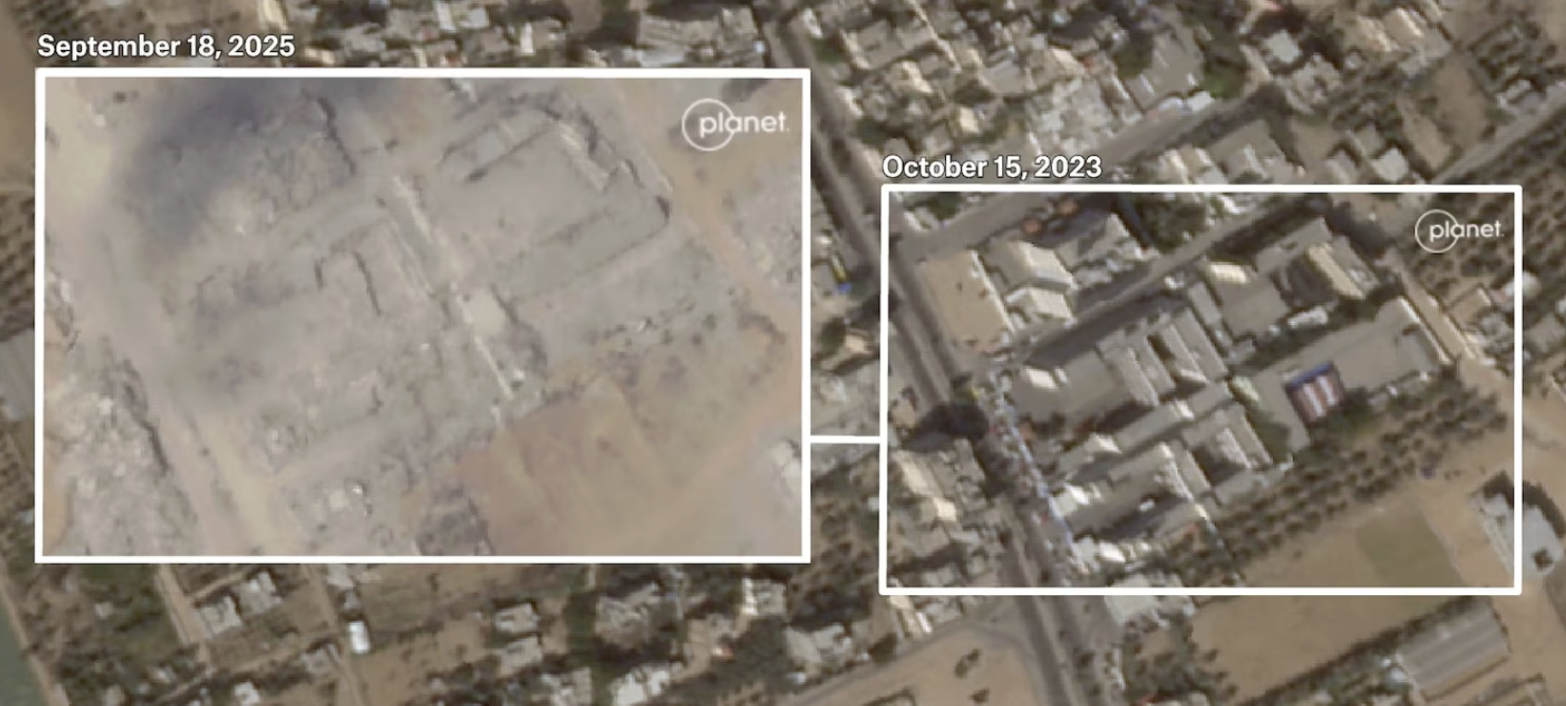
Satellite images and reporting from organizations such as Human Rights Watch and Amnesty International show entire neighborhoods flattened. Streets that once held homes and markets are now fields of rubble. A city with more than 3,500 years of history, a city older than Rome, now a city of little more than broken concrete.
Even now, months into a ceasefire, journalists report that there is no reconstruction underway. Debris remains uncleared. Buildings remain exactly as they fell. Entire neighborhoods are unrecognizable from the places people once lived.
More than 2 million Palestinians remain confined to a narrow coastal section of Gaza, while large areas remain under Israeli military control. Some families displaced from destroyed neighborhoods now live in tents and search through garbage for fuel to cook with.
As we saw the destruction of Rafah through phone screens, we scrolled past the same way we scroll past everything else. Somewhere along the way, we became so used to scrolling that suffering started to feel incredibly distant. As if these events only existed inside a virtual reality instead of in real neighborhoods where real people once lived.
Even journalists have limited access. Major news organizations have repeatedly requested independent entry into Gaza and have often been denied, meaning much of the destruction goes largely unseen.
Meanwhile, the Rafah border crossing — once a lifeline for people seeking safety or medical care — has reopened only under strict limitations. Humanitarian groups report that only small numbers of people, around 50, are allowed through each day, even though thousands require medical treatment unavailable inside Gaza. But even when patients can reach medical care, the system they depend on is collapsing.
Many displaced families remain separated from their loved ones or are unsure if they will ever be able to return home.
For many people around the world, “All Eyes on Rafah” became something to post. A way to show off how much empathy you had, even if only briefly.
But online activism moves at the speed of algorithms, not human suffering. One month, the world promises to pay attention. The next month, the crisis disappears from feeds.
Humanitarian crises do not end when the internet decides they are no longer trending. For Palestinians, it is still daily life.
What happened in Rafah was so much more than virtue signaling.
Rafah was real and precious — a city that predates the Eternal City itself — now decimated in a matter of months.
The people of Rafah have lost their city, their history and their futures.
What happened to “All eyes on Rafah?”


Widad • Apr 22, 2026 at 12:04 pm
I grew up in Palestine and it breaks my heart everyday to see what’s happening to my people and our country. To treat our suffering as a viral trend to get clicks is disgusting. Thank u for writing this it touched my heart. Free Palestine from the river to the sea
Sciesxu • Mar 29, 2026 at 9:25 pm
I am glad the mercury is writing more critical pieces! I’m excited to see the next issue
M • Mar 29, 2026 at 9:12 pm
Wow such a powerful piece